Interior design goes beyond aesthetics to shape how individuals experience their daily living environments. While property styling prepares a home for market appeal, interior design creates personalized, functional spaces built for long-term comfort and human habitability. Striking a balance between form, function, and character transforms an ordinary interior into a home that feels both practical and deeply authentic.
1. Ergonomics and Floorplan Traffic Flow
The foundation of effective interior design lies in spatial planning and human ergonomics. A beautifully styled room loses its value if it fails to support daily activities, movement, and practical routines.
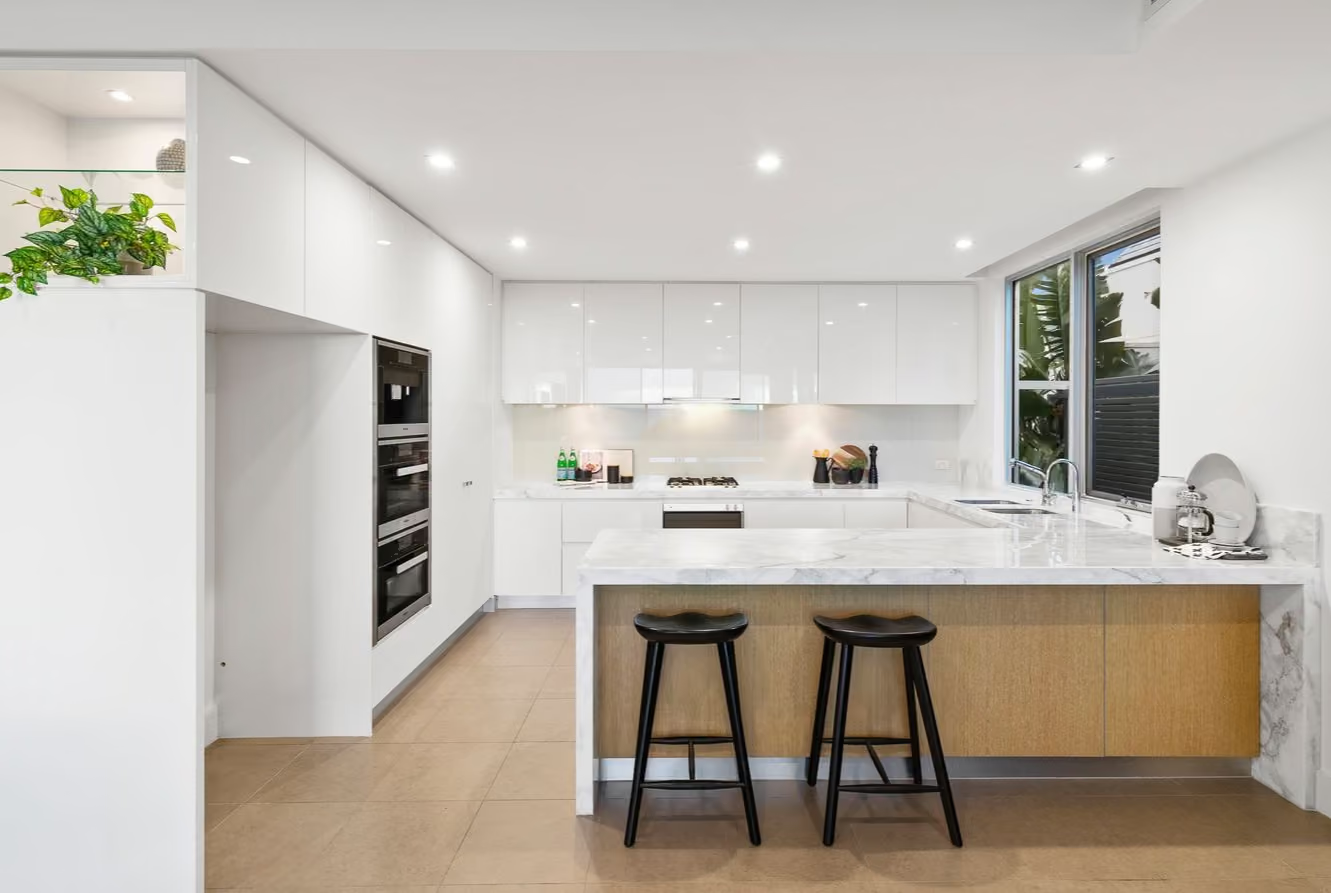
Designers begin by analyzing the natural flow of traffic through a home. Walkways must remain wide and unobstructed, allowing effortless movement between doors, hallways, and adjoining living spaces. Seating layouts should be arranged to encourage natural conversation while maintaining comfortable distances from primary entertainment focal points or architectural features. Beyond layout, ergonomic consideration extends to functional placement: placing lighting switches at intuitive heights, ensuring power outlets are accessible where needed, and selecting furniture proportions that comfortably accommodate daily use without cluttering the floorplan.
2. Color Psychology and Spatial Cohesion
Color is one of the most powerful tools in interior design, influencing room dynamics, perceived scale, and emotional mood. Rather than choosing colors in isolation, a successful design scheme establishes visual cohesion across contiguous rooms and open-plan living areas.
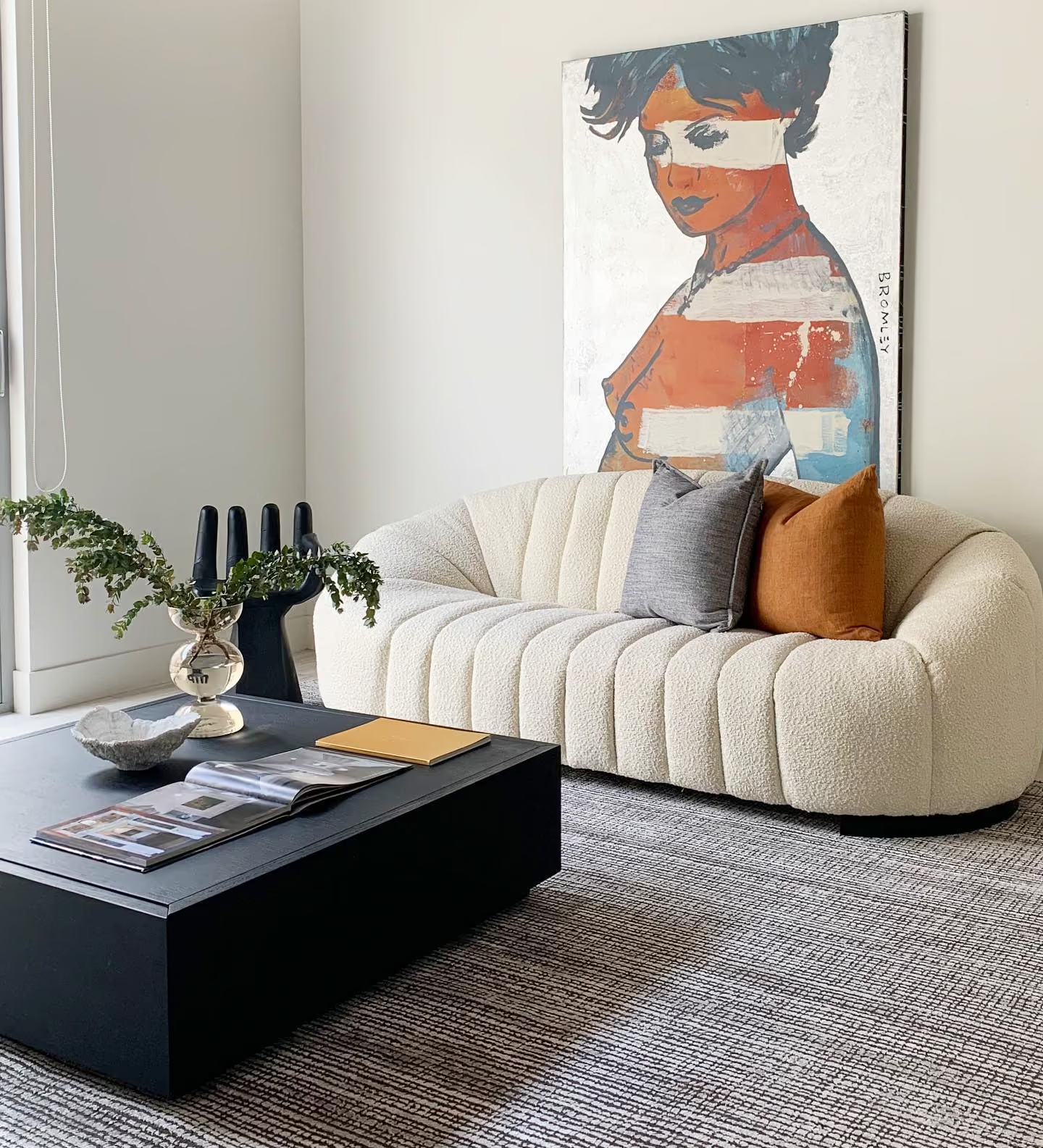
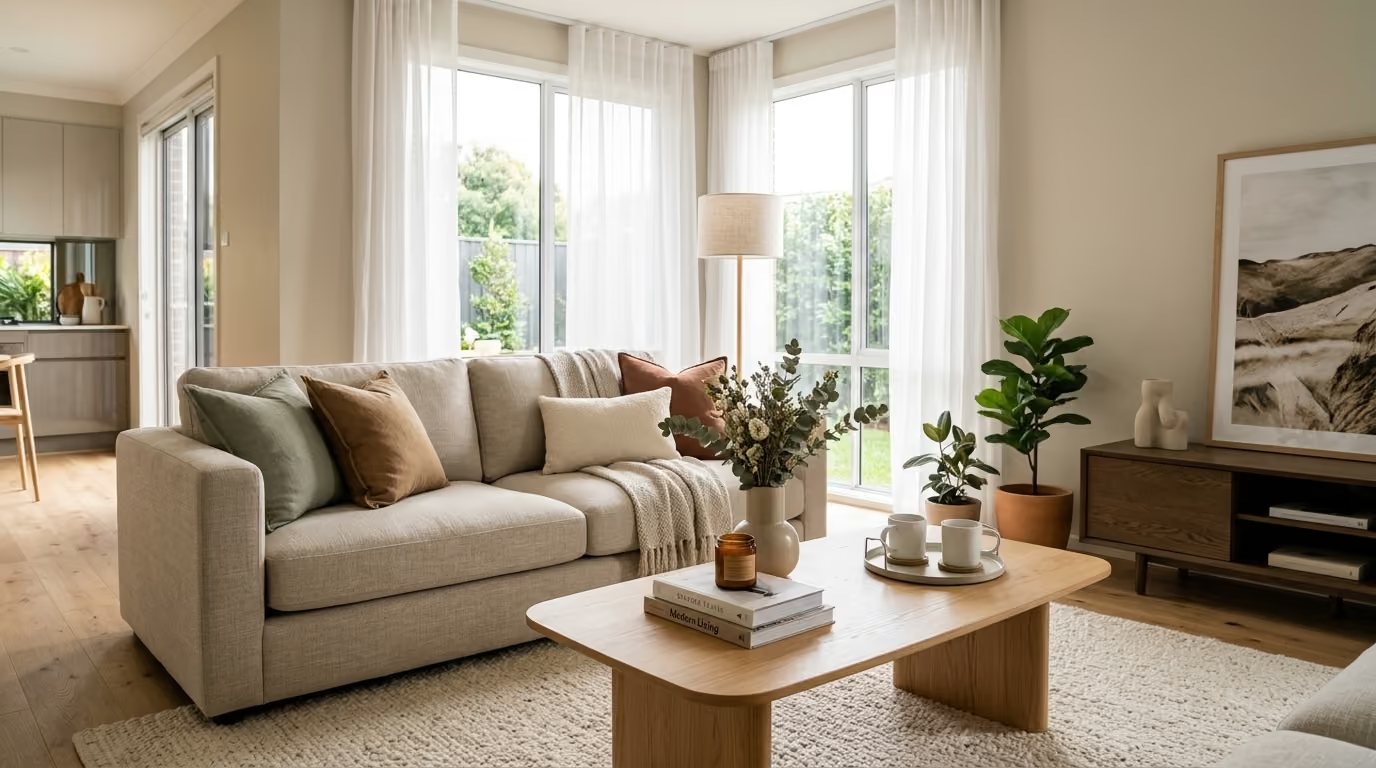
Using a defined color palette creates smooth transitions as you move throughout a residence. Neutral base tones establish consistency, while accent shades introduce personality and purpose into specific zones. Warm earth hues like terracotta, ochre, and warm timber create inviting, grounded environments in living rooms and dining areas. In contrast, cooler undertones—such as muted greens, slate blues, and soft grays—foster quiet focus and tranquility in home offices and bedrooms.
3. Materiality and Layering
Character and warmth are brought into a space through the strategic layering of materials and textures. A single surface type can feel flat or sterile, but combining contrasting textures adds visual richness and tactile depth.
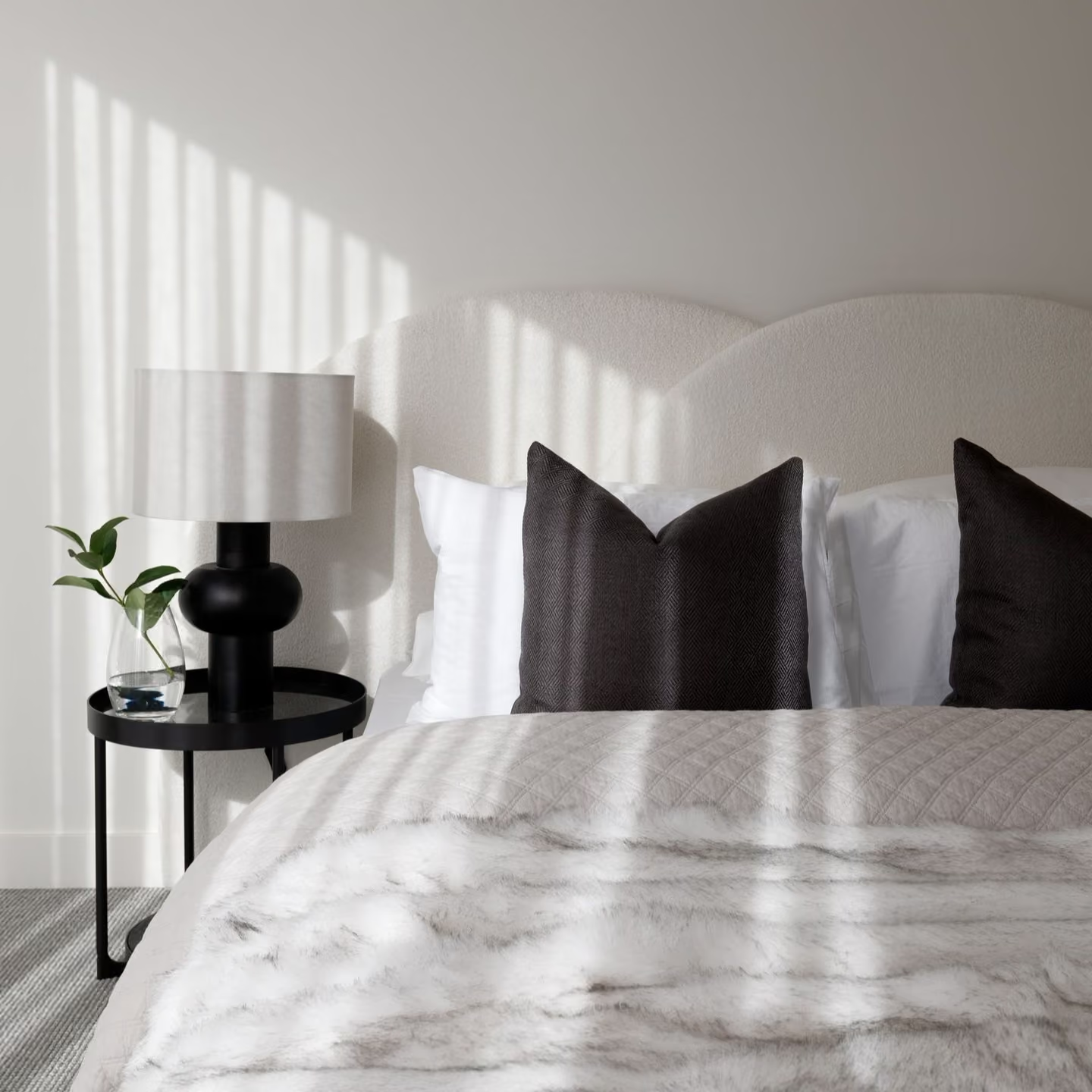
Successful interior design balances hard architectural surfaces with soft, organic elements. Pairing smooth polished concrete, marble, or dark hardwood flooring with plush wool rugs, textured linen curtains, and bouclé upholstery softens the room's overall feel. Incorporating natural elements—such as grain-rich timber, brushed brass, matte ceramics, and greenery—introduces authentic character that evolves over time. Layering varied light sources, from ambient overhead fixtures to warm task lamps, further highlights these tactile textures and allows the mood of the space to shift effortlessly throughout the day.
Crafting Your Ideal Living Environment
A thoughtfully designed interior elevates daily living by harmonizing functional layouts with distinct aesthetic expression. By prioritizing ergonomic movement, cohesive color choices, and rich materiality, you can create a home that is as beautiful to live in as it is practical.
Ready to transform your sanctuary into a perfect reflection of your personal style? Partner with Aura & Form to bring your vision to life. Our interior design team delivers bespoke spatial planning, material curation, and custom design solutions tailored specifically to your lifestyle. Contact us today to schedule your design consultation.